

 Русский
 Deutsch
 中文
中文 Español
 Türkçe
Plastic and Your Libido: How Phthalates Quietly Undermine Male and Female Health
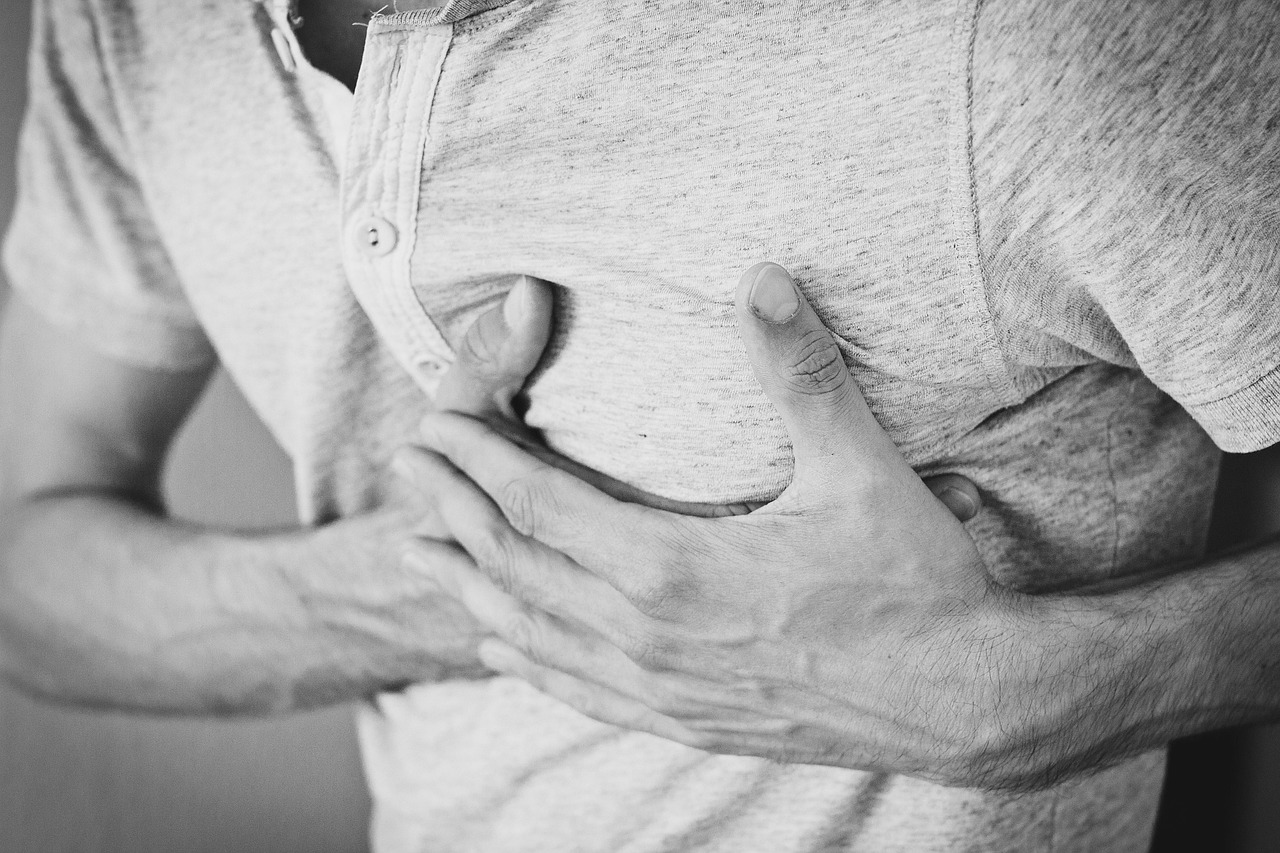
Have you ever wondered that your favorite plastic water bottle or lunch container could affect your sex life? Sounds like a conspiracy theory, but scientists are increasingly serious: the substances that make plastic flexible are called phthalates, and they can interfere with the hormonal system. And that's no joke—hormones govern libido, sperm quality, and even the ability to conceive.
Phthalates are nearly invisible saboteurs. They are found in food packaging, cosmetics, toys, medical tubing, even flooring. They easily enter the body—through food, water, air, and skin. And here's the concern: even tiny doses can be harmful. Studies on cells and animals show that phthalates disrupt normal hormone function, leading to reduced sperm motility and count, disrupted menstrual cycles in women, and an increased risk of preterm birth in pregnant women.
What does this mean for men? The numbers speak for themselves. Men who frequently come into contact with phthalates are more likely to have sperm problems—sperm becomes less viable. Additionally, there is a link to prostate conditions and even erectile dysfunction. So your "plastic" lifestyle could literally leave you without energy in bed. However, one point remains unclear: the shortened anogenital distance in boys, also linked to phthalates, has not yet been unequivocally confirmed in studies.
For women, the situation is no less serious. Phthalates are associated with endometriosis, polycystic ovary syndrome, premature menopause, infertility, and miscarriage. But here scientists honestly admit: the data are contradictory. It cannot be said that phthalates are 100% responsible for all these problems—studies are diverse, and results do not always align. Nevertheless, the risk is alarming enough to start making changes.
Who should be especially cautious? Those planning pregnancy, pregnant women, and children. Their bodies are particularly sensitive to hormonal influences. Even if you are not ready to radically give up plastic, there are simple steps: use glass or metal containers for food, do not heat plastic in the microwave (it releases more phthalates), choose fragrance-free cosmetics and those without "phthalate" in the ingredients, and try to buy products with less packaging. This is not a panacea, but a step in the right direction.
The main takeaway: phthalates should not be underestimated. They are everywhere, and their impact on reproductive health is not fiction but a real topic for reflection. If you notice problems with conception or intimate health, consider discussing your lifestyle, including plastic exposure, with your doctor. It's never too early to take care of yourself—especially when something as important as your sex life is at stake.
This material is for information only and does not replace a consultation with a doctor.
Original material: Phthalate exposure and human reproductive health: an epidemiological review. — U.S. National Library of Medicine