

 Русский
 Deutsch
 中文
中文 Español
 Türkçe
I Told Someone About Abuse and Got a Dismissive Response. How Should I React?
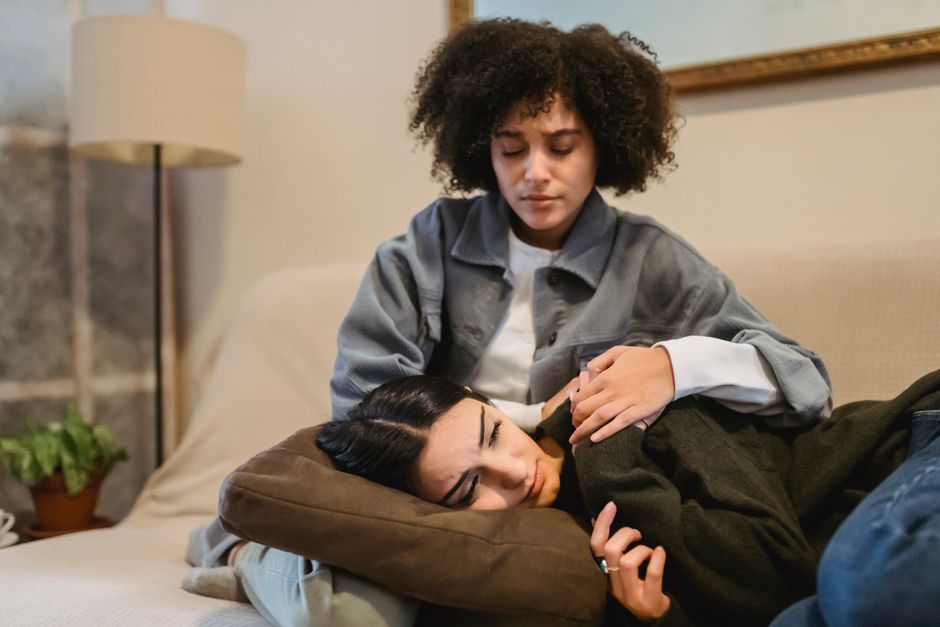
You've finally decided to tell a close person that something is wrong in your relationship. It doesn't matter what's bothering you: maybe your partner devalues you, ignores you, mocks you, or controls you harshly. You gathered your courage and spoke up. And in response you heard: "Are you sure you're not exaggerating?" or "He/she is always so nice, I never noticed anything bad." Sound familiar? It hurts and is offensive, especially when you already had doubts. Let's figure out why this happens and what to say in each situation.
Why do they say that?
People who haven't experienced abuse often simply don't understand how hard it is to admit it even to yourself. They think you're dramatizing or trying to shift responsibility for a failed relationship. Plus, many have a stereotypical image of an abuser—a monster who hits and insults in public. And your partner is "so nice" and "always seemed normal." But that's the point: emotional abuse is almost always hidden from outsiders. It can manifest in what a person doesn't do: doesn't show love, ignores, stays silent, devalues. And they do it not in public, but only with you. Even gaslighting—when you're made to believe you're going crazy—often looks from the outside like "caring for your mental state."
What to say to "Are you sure?"
If someone says something like "maybe you're just unhappy?"—you don't need to make excuses and provide a thousand proofs. A short and firm answer: "Yes, I'm sure." And add: "I've asked myself this question many times before coming to you. I have no doubts." That's enough. You don't owe anyone an explanation.
"But he/she was so nice to me!"
If the person says your partner was always kind to them but bad to you—that doesn't disprove your words. Abusers are almost always selective: they choose a victim they can gain power over, while being kind and charming to others. So you can calmly say: "Yes, he/she can be nice, but with me he/she was different." And if you want, provide specific examples of what you experienced that the person didn't see. If they saw something but didn't recognize it, you can remind them of that too.
"I'm so upset about this"
When someone says they're upset by your story—it could be genuine empathy, but it could also be shifting their feelings onto you. It's important to understand that you are not the person to discuss their feelings with. You've experienced abuse, and the conversation should be about you. You can respond: "I understand this is hard for you, but right now I need support, not to discuss your feelings. Please talk to someone else if you need to vent." If they just want to be there and cry with you—that's different, that's okay.
"Maybe you should both see a therapist?"
Some suggest "working on the relationship together." But in case of abuse, this doesn't work. Psychologists generally don't recommend couples therapy if one partner is abusive—because in such therapy, the abuser can use information against the victim, and the victim can't speak freely. It's important to understand: abuse is not a "both" problem, it's the responsibility of the one who abuses. Only they should work on changing. Your task is safety and recovery. So to that suggestion, you can say: "I can't solve this problem together. Right now I need them to take responsibility, and I can only take care of myself."
"I don't know what to say"
If someone honestly admits they don't know how to react—that's good, better than dismissing. You can help them by saying what you need. For example: "Just believe me. Tell me you believe me. Tell me I didn't deserve this." Or ask for a hug if you're comfortable with that. Sometimes people are afraid to say the wrong thing and stay silent—so you can take the initiative.
What if they don't believe at all?
If someone openly doesn't believe you or takes the abuser's side—it's better to distance yourself from such people, especially at first. You have every right to limit contact or even end it. You don't have to make a scene; you can gradually reduce contact. When you've disclosed abuse, you need a supportive and believing environment. If someone can't provide that—that's their problem, not yours. Perhaps in time they'll understand and change their mind, but now your safety is what matters.
Remember: you've taken a huge step by telling about the abuse. Don't let others' reactions make you doubt yourself or what happened to you. Your feelings are your main guide, and they have the right to exist.
This material is for information only and does not replace a consultation with a doctor.
Original material: Outspoken: Managing People’s Responses (Including the Crummy Ones) — Scarleteen